

When Shenzhen’s vape export data for Q2 2026 landed on customs officials’ desks in early July, the numbers told a story that most industry analysts had anticipated but few had quantified with such precision. Total Chinese e-cigarette exports reached $4.87 billion for the quarter, a 31% increase year-over-year, but the headline figure masked a far more consequential structural shift: shipments to traditional Western markets—the United States, European Union, and United Kingdom—grew just 6.2%, while exports to what the industry classifies as “emerging corridors” surged 47.3%. The global vape supply chain is not merely growing. It is being redrawn.
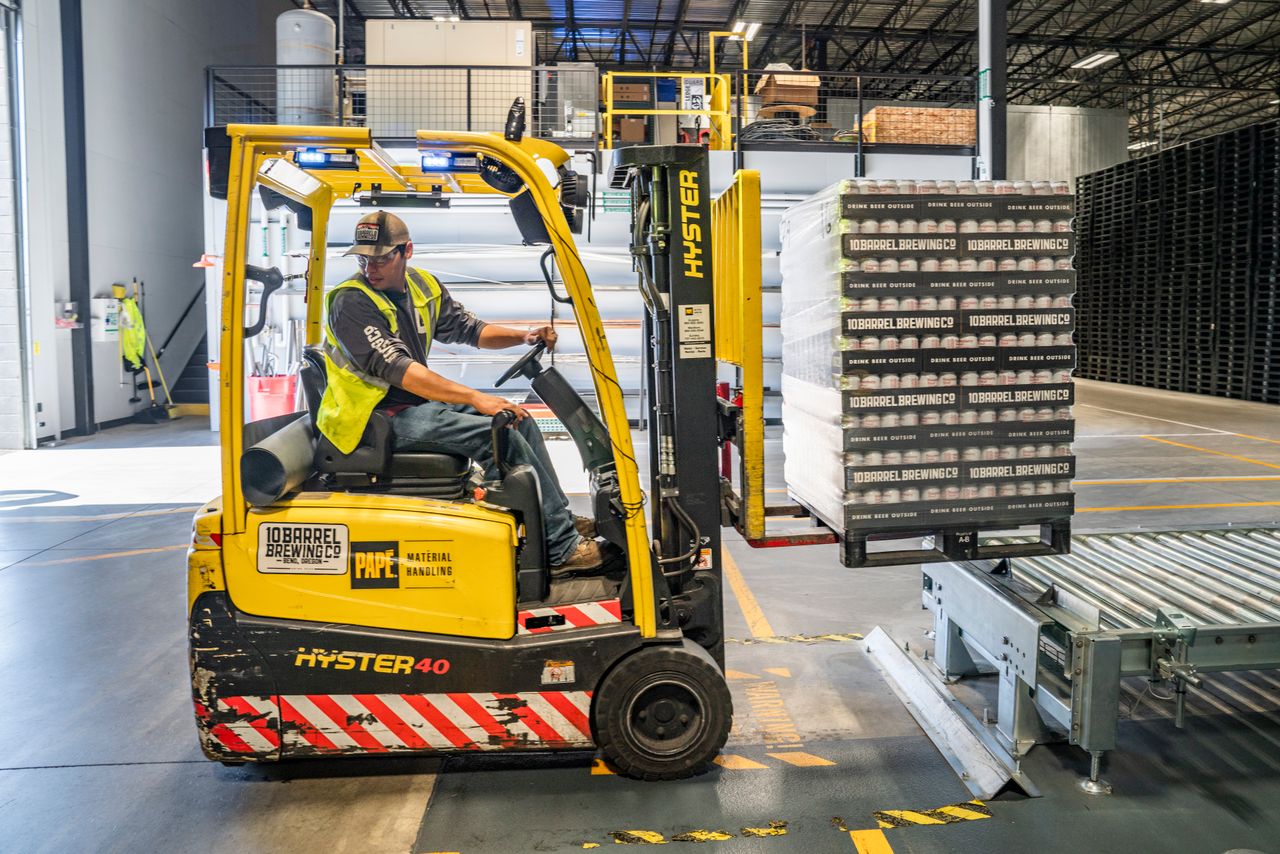
Shenzhen’s Yantian Port processed a record 2.4 million TEUs of consumer electronics exports in Q2 2026, with vape products representing 8.3% of total outbound volume.
The Numbers Behind the Shift: Q2 2026 Export Data Breakdown
China’s General Administration of Customs published the Q2 2026 trade statistics on July 3, and the data confirmed what shipping manifests had been suggesting since March. Total e-cigarette export value reached $4.87 billion, up from $3.72 billion in Q2 2025, representing a 31% year-over-year increase. But within that aggregate figure, the regional distribution has undergone a dramatic rebalancing that carries profound implications for brand owners, wholesale distributors, and investors tracking publicly listed vape companies.
Shipments to the United States, still the single largest national market by consumption value, accounted for $1.12 billion, up just 3.8% year-over-year. The European Union collectively imported $980 million worth of Chinese vape products, a 4.1% increase that would have been lower still had not the Netherlands and Germany maintained their positions as re-export hubs. The United Kingdom, navigating its post-Brexit regulatory framework and the newly implemented Vaping Products Duty of £0.22 per milliliter, imported $340 million, essentially flat compared to Q2 2025.
The growth engine, by contrast, was concentrated in three corridors. The Middle East and North Africa region imported $620 million, up 52% year-over-year. Sub-Saharan Africa reached $290 million, a 61% increase from a low base. Latin America, led by Brazil, Mexico, and Colombia, contributed $380 million, up 39%. Combined, these three emerging corridors accounted for $1.29 billion, or 26.5% of total Chinese vape exports, compared to just 18% a year earlier.
| Destination Region | Q2 2026 Export Value | YoY Growth | Share of Total |
|---|---|---|---|
| United States | $1.12B | +3.8% | 23.0% |
| European Union (27) | $980M | +4.1% | 20.1% |
| Middle East & North Africa | $620M | +52.0% | 12.7% |
| United Kingdom | $340M | +1.2% | 7.0% |
| Latin America (LATAM) | $380M | +39.0% | 7.8% |
| Sub-Saharan Africa | $290M | +61.0% | 5.9% |
| Southeast Asia (ASEAN) | $410M | +22.0% | 8.4% |
| Other Markets | $730M | +18.0% | 15.0% |

Dubai’s Jebel Ali Free Zone has attracted 340+ vape distribution companies since January 2026, replacing Hong Kong as the primary re-export hub for Middle East and African markets.
Dubai’s Rise: From Desert Trading Post to Global Vape Logistics Hub
Perhaps the most consequential development in the Q2 2026 trade data is not the destination of final consumption but the routing of the supply chain itself. Dubai, and specifically the Jebel Ali Free Zone (JAFZA) and the newer Dubai South logistics district, has emerged as the dominant intermediary hub for Chinese vape exports destined for Africa, the Middle East, and increasingly the Indian subcontinent.
The numbers are striking. In Q2 2025, approximately 12% of Chinese vape exports to the Middle East and Africa transited through Dubai. By Q2 2026, that figure had risen to 41%. More than 340 companies with vape-related business licenses are now registered in JAFZA, up from fewer than 80 in January 2025. These range from Chinese OEM trading subsidiaries that maintain bonded warehouses to independent distributors that import in bulk from Shenzhen and re-ship in smaller consignments to final destinations.
The economics of the Dubai hub model are compelling. A 40-foot container of disposable vapes shipped directly from Shenzhen to Lagos, Nigeria, carries a freight cost of approximately $3,800 and a transit time of 32-38 days, including customs clearance at both ends. The same container shipped to Dubai costs $1,200 with an 8-day transit, bonded warehousing at $180 per month, and then a secondary shipment to Lagos via a Dubai-based logistics partner for $1,600 with a 6-day transit. Total cost: $2,980 with a 14-day effective lead time—a savings of $820 and 18-24 days per shipment.
The Free Zone Advantage
Dubai’s free zone structure provides additional advantages that go beyond logistics efficiency. Companies registered in JAFZA benefit from 100% foreign ownership, zero corporate tax on profits repatriated outside the UAE, and zero import/export duties on goods that remain within the free zone and are re-exported. For Chinese vape OEMs that previously routed shipments through Hong Kong, the Dubai model offers comparable tax efficiency with dramatically better geographic positioning for Middle Eastern, African, and South Asian markets.
The transition has not gone unnoticed in Hong Kong. The Hong Kong Trade Development Council reported in June 2026 that re-export volume of “tobacco and tobacco substitutes” (the customs classification that includes e-cigarettes) declined 23% year-over-year in Q1 2026, the steepest quarterly drop on record. While Hong Kong remains the primary hub for shipments to Japan, South Korea, and Australia, its role as a global intermediary for vape products is being systematically eroded by Dubai’s superior logistics infrastructure and free zone incentives.
“We moved our Africa and Middle East distribution center from Kwai Chung to Jebel Ali in September 2025. The math was overwhelming. Our per-unit logistics cost to 15 African markets dropped by 34%, and our average delivery time fell from 35 days to 12 days. The only downside is time-zone alignment with our Shenzhen headquarters, but that is a manageable inconvenience.”
James Liu, CEO of Shenzhen-based VapeGlobal Logistics Ltd., which handles distribution for 14 Chinese OEM brands

Third-party logistics providers in Dubai now offer bonded warehousing with 48-hour fulfillment to 22 African nations, reducing lead times by 60% versus direct China-to-destination shipping.
Why Emerging Markets Are Absorbing the Supply Surge
The pivot toward emerging markets is not solely a supply-side phenomenon driven by Chinese OEM production capacity outpacing mature market demand. On the demand side, several structural factors are converging to create what industry analysts describe as a “perfect growth window” for vape adoption in developing economies.
- Demographic tailwinds: The Middle East and Africa have the youngest population demographics of any global region, with a median age of 19 in Sub-Saharan Africa and 27 in the MENA region. Adult smoking prevalence rates of 25-35% in key markets like Saudi Arabia, Nigeria, and Egypt represent a conversion opportunity that mature markets have largely exhausted.
- Regulatory vacuum: Unlike the EU and US, where comprehensive e-cigarette regulations are well established (and increasingly restrictive), most African and several Middle Eastern markets have either no specific vape legislation or frameworks that are still in draft form. This creates a window for market entry before compliance costs escalate.
- Smartphone-driven awareness: Social media penetration rates above 70% in Gulf states and above 45% in urban Sub-Saharan Africa have created brand awareness channels that did not exist five years ago. Vape brands are reaching consumers through Instagram, TikTok, and regional platforms at a fraction of the cost of traditional retail marketing.
- Price point accessibility: Chinese OEM wholesale prices for entry-level disposable vapes have fallen below $1.20 per unit, making the retail price point in emerging markets competitive with a week’s supply of conventional cigarettes. This is the inflection point that drove Western market adoption between 2018 and 2021, and emerging markets are now hitting the same threshold.
Regulatory Headwinds in Traditional Markets Accelerate the Pivot
While emerging market demand is pulling Chinese exports in new directions, regulatory pressure in traditional markets is simultaneously pushing supply chain diversification. The European Union’s revised Tobacco Products Directive framework, expected to take effect in Q1 2027, will impose per-SKU compliance testing costs estimated at €12,000-18,000, plus mandatory product traceability systems and environmental disposal fees. For Chinese OEMs offering 30-50 flavor variants across multiple brand clients, the total compliance cost to maintain EU market access can exceed $2 million annually per major customer.
In the United States, the FDA’s PMTA backlog continues to create operational uncertainty. While enforcement discretion has allowed most disposable products to remain on the market pending review, the agency has signaled that Marketing Denial Orders will accelerate through Q3-Q4 2026. Each PMTA submission costs $250,000-500,000 per product line, and the approval rate for disposable vape applications remains below 15%.
These compliance costs effectively function as non-tariff trade barriers that make emerging markets—where regulatory requirements are lighter and enforcement infrastructure is less developed—disproportionately attractive on a risk-adjusted return basis. A Chinese OEM that can sell 500,000 units per month into Saudi Arabia at a 22% gross margin with minimal compliance overhead may rationally prefer that channel over selling the same volume into Germany at a 28% gross margin that is partially offset by €150,000 in annual compliance costs and the risk of a Marketing Denial Order that renders the entire investment worthless.
| Market | Regulatory Complexity | Compliance Cost (Annual) | Growth Rate (YoY) |
|---|---|---|---|
| United States | Very High (PMTA) | $250K-500K per SKU | +3.8% |
| European Union | High (TPD + REACH) | €12K-18K per SKU | +4.1% |
| United Kingdom | High (Vaping Duty) | £0.22/ml duty | +1.2% |
| Saudi Arabia | Moderate (SASO) | $15K-25K | +48.0% |
| Nigeria | Low (no specific law) | <$5K | +67.0% |
| Brazil | Moderate (ANVISA draft) | $20K-35K (pending) | +41.0% |

The reconfiguration of global vape supply chains reflects a broader trend: Chinese OEMs are building regional distribution hubs rather than relying on single-port export strategies.
Investment Implications: Who Benefits from the Supply Chain Reconfiguration?
The structural shift in global vape supply chains has direct implications for publicly listed companies and the institutional investors that track them. The primary beneficiaries are Chinese OEMs with established or emerging Dubai operations, logistics companies specializing in Middle East-Africa trade corridors, and regional distributors in high-growth markets.
Smoore International (HKEX: 6969), the largest listed Chinese vape manufacturer by revenue, disclosed in its Q1 2026 earnings call that its Middle East and Africa revenue had grown 58% year-over-year, with Dubai-fulfilled orders now representing 31% of its international (non-China) revenue. Smoore’s management attributed the growth to “strategic investment in regional distribution infrastructure” and signaled that the company would open a dedicated Dubai logistics facility in Q3 2026.
RLX Technology (NYSE: RLX), whose revenue remains predominantly domestic Chinese, has been more cautious in its international expansion. But RLX’s investor presentation from May 2026 included a new slide on “emerging market opportunities” that specifically referenced the Middle East and Southeast Asia as “regions of strategic interest.” Market observers interpreted this as a signal that RLX is preparing to enter these markets through Dubai-based distribution partnerships rather than direct-to-consumer models.
For Western investors, the supply chain reconfiguration creates a secondary opportunity in logistics and trade finance. Companies like DP World (DFM: DPW), which operates Jebel Ali Port and the adjacent free zone, have reported a 19% increase in consumer electronics throughput in Q2 2026, with vape products identified as one of the fastest-growing categories. Regional logistics firms that specialize in temperature-sensitive and regulated consumer goods handling are also benefiting from the volume surge.
“The vape supply chain shift is a microcosm of what we are seeing across consumer electronics more broadly. Chinese manufacturers are building regional hub-and-spoke distribution models rather than direct-to-market shipping. Dubai, Istanbul, and increasingly Nairobi are becoming the new Hong Kong for goods destined for markets that Western multinationals have historically underserved.”
Maria Santos, Head of Emerging Market Trade Research, Standard Chartered Bank, Singapore
The Tariff Wildcard: What Happens If the EU and US Act
The current supply chain reconfiguration is occurring in a trade policy environment that could shift significantly in the coming months. The European Commission has proposed a 15% anti-dumping duty on e-cigarette products originating from China, with a final determination expected in Q4 2026. If implemented, this duty would add approximately €0.45-0.60 per unit to the landed cost of Chinese disposable vapes in EU markets, potentially accelerating the shift toward emerging markets where no comparable tariff barriers exist.
In the United States, the Section 301 tariff framework currently applies a 7.5% duty on e-cigarette imports from China, but legislative proposals to increase this to 25% have been introduced in both chambers of Congress. While passage remains uncertain, the threat alone has prompted several major US vape distributors to begin diversifying their sourcing to include Vietnamese and Indonesian manufacturers, a trend that could reduce Chinese market share in the US channel over the medium term.
The tariff risk is not uniformly negative for Chinese manufacturers. Companies with established Dubai hub operations can potentially re-export to EU markets through trade agreements between the UAE and individual EU member states, though rules-of-origin requirements would complicate this strategy for products that undergo only minimal processing in the free zone. More practically, the tariff threat reinforces the strategic logic of investing in emerging market distribution, where the policy environment is more favorable and the growth trajectory is steeper.
Looking Ahead: Q3-Q4 2026 Supply Chain Scenarios
Three scenarios dominate industry planning discussions for the second half of 2026. In the base case, which most analysts assign a 55% probability, the EU anti-dumping duty is implemented at a reduced rate of 8-10%, the US Section 301 tariff remains unchanged, and emerging market growth continues at 35-45% year-over-year. Under this scenario, Chinese vape exports reach $19-20 billion for full-year 2026, with emerging markets accounting for 32-35% of total shipments.
In the upside scenario (25% probability), the EU duty is either not implemented or is set below 5%, US tariffs remain unchanged, and emerging market growth accelerates to 50%+ as new distribution channels mature. Full-year exports could reach $21-22 billion, and Dubai’s position as the dominant global hub would be further cemented.
The downside scenario (20% probability) involves both the EU duty at 15% and a US tariff increase to 25%, which would compress margins in traditional markets and accelerate the emerging market pivot beyond what current infrastructure can support. Under this scenario, logistics bottlenecks in Dubai and insufficient bonded warehousing capacity could create temporary supply disruptions to African and Middle Eastern markets, with full-year exports still reaching $17-18 billion but with margin compression across the industry.
Regardless of which scenario materializes, the structural trend is clear: the global vape supply chain is decentralizing away from a model dominated by direct Shenzhen-to-Western-market shipping, toward a hub-and-spoke architecture with Dubai as the central node for emerging market distribution. This reconfiguration will define the competitive landscape of the e-cigarette industry for the remainder of the decade.
China E-Cigarette Exports
Dubai Vape Distribution
Emerging Market Vaping
Vape Wholesale Trade
Jebel Ali Free Zone
E-Cigarette Export Data 2026
Vape Industry Market Report
Shenzhen OEM Manufacturing
International Vape Trade