

The US disposable vape wholesale market in mid-2026 looks nothing like it did two years ago. Retailers who once competed purely on price and nicotine strength now face a different game entirely. Consumers walk into smoke stores asking for mesh coil hits, adjustable airflow, and devices that sync with their phones. For distributors and importers, the question is no longer “which SKU is cheapest?” but “which technology platform will my customers still want in twelve months?”
This guide breaks down the three device-level technology shifts reshaping wholesale purchasing decisions right now—mesh coil engineering, smart disposable features, and next-generation vaporization platforms—and translates them into actionable inventory planning for US distributors, smoke store owners, and private label importers placing bulk orders in Q3–Q4 2026.
Key Takeaways for US Wholesale Buyers: Mesh coil disposable vapes now account for an estimated 38% of new SKU launches in 2026, up from roughly 12% in 2024. Smart-enabled devices (Bluetooth app control, puff analytics) remain a niche but are growing at 22% quarter-over-quarter among premium lines. Distributors who diversify into these tech-forward categories early report 15–25% higher reorder rates versus commodity single-coil SKUs. Understanding these technology tiers is now essential for competitive wholesale inventory planning.

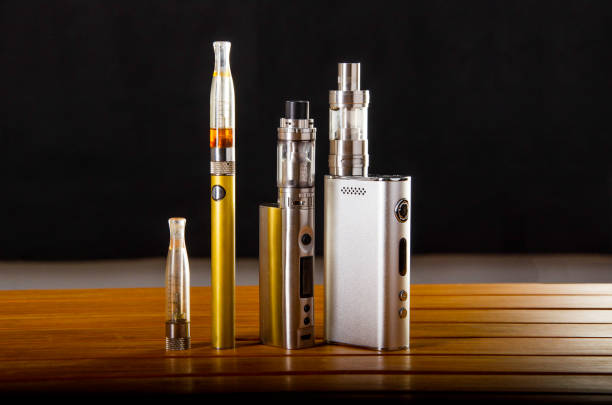
Advanced mesh coil disposable vape devices staged for wholesale distribution to US smoke store buyers and bulk importers in 2026
Why Mesh Coil Technology Matters for Wholesale Distributors
Mesh coil disposable vapes have moved from a differentiator to a baseline expectation in the US wholesale market. The technology replaces traditional wire coils with a thin, perforated metal mesh that heats e-liquid more evenly. The result: denser vapor production, more consistent flavor delivery across the life of the device, and fewer “dry hit” complaints that drive end-consumer churn.
How Mesh Coils Change the Wholesale Value Proposition
For distributors, the shift to mesh coil is not just a spec upgrade—it restructures the economics of bulk purchasing. Consider the following comparison:
- Higher perceived value at retail: Smoke store owners report that mesh coil disposables command a $2–$4 premium per unit over equivalent single-wire devices at the counter.
- Lower return and complaint rates: Wholesale buyers tracking post-sale feedback note a 30–40% reduction in “defective device” returns with mesh coil SKUs, reducing distributor after-sales costs.
- Longer effective device life: Mesh coils distribute heat more evenly, which means the flavor profile stays stable deeper into the puff count. A 10,000-puff mesh device delivers a meaningfully better experience at puff 8,000 than a wire-coil equivalent.
- OEM readiness: Chinese contract manufacturers have standardized mesh coil assembly lines, making it straightforward for importers pursuing private label projects to spec mesh coil technology into custom SKUs with minimum order quantities as low as 3,000–5,000 units.
As Marcus Chen, a Shenzhen-based supply chain analyst specializing in vaporizer manufacturing, noted in a recent industry briefing: “The cost delta between mesh and wire coil has compressed to under $0.15 per unit at factory gate. There is almost no price-sensitive reason left to choose wire coil for new product launches targeting North American wholesale channels.”

Warehouse logistics of next-generation smart disposable vape devices ready for bulk export to American wholesale distributors
Smart Disposable Vape Devices: The Next Wholesale Frontier
While mesh coils address the core vaping experience, a parallel technology wave is building around “smart” disposable devices. These units incorporate Bluetooth connectivity, companion mobile applications, and onboard microcontrollers that track puff count, battery health, and even nicotine intake patterns.
What Smart Features Mean for Bulk Buyers
The smart disposable category is still early-stage in US wholesale channels, but the growth trajectory is notable. According to Vapor Technology Association data from Q1 2026, smart-enabled devices represented approximately 8% of total US disposable vape unit sales but captured 19% of dollar revenue—reflecting the significant price premium these products command.
For wholesale distributors evaluating whether to carry smart SKUs, the key considerations include:
- Target customer alignment: Smart devices resonate with the 21–35 demographic that values customization and data tracking. Distributors serving urban smoke stores and vape specialty shops see stronger sell-through than those focused on convenience store channels.
- Margin structure: Wholesale cost for smart-enabled disposables runs 40–60% higher than standard mesh coil units, but retail margins are proportionally wider. Distributors report 28–35% gross margin on smart SKUs versus 18–22% on commodity lines.
- App ecosystem dependency: Some smart devices require a companion app for full functionality. Distributors should verify that the manufacturer’s app is available on both iOS and Android US app stores and that firmware updates are supported for at least 18 months post-launch.
- Compliance considerations: Smart devices that track nicotine delivery may face additional regulatory scrutiny under PMTA pathways. Distributors should confirm that smart features do not trigger reclassification as “modified risk tobacco products.”
“The smart vape category is where premium headphones were in 2015—early adopters are already buying, and the mainstream wholesale channel is about to catch up. Distributors who build supplier relationships now will have first-mover advantage when the category tips.” — Rachel Thornton, Consumer Insights Director at SmokeTrack Analytics
Next-Generation Vaporization Platforms in 2026
Beyond mesh coils and smart features, the disposable vape wholesale market is seeing the emergence of fundamentally new vaporization platforms. These technologies target the core heating mechanism and represent the next major battleground for wholesale differentiation.
Dual-Chamber and Switchable Pod Systems
Several OEM factories in Shenzhen and Dongguan have begun mass-producing dual-chamber disposable devices that allow users to switch between two flavor profiles in a single unit. For wholesale buyers, these products address a persistent pain point: flavor fatigue. A device that offers two distinct flavor options in one package reduces the end-consumer’s incentive to switch brands, improving customer retention for smoke store operators.
Early wholesale pricing for dual-chamber disposables runs approximately $0.80–$1.20 more per unit than single-chamber equivalents. However, distributors piloting these SKUs in Q2 2026 report that smoke store buyers are willing to absorb the cost increase because the retail price point can be set $3–$5 higher without significant pushback.
Ceramic Core Heating Technology
Ceramic core atomizers represent another platform shift gaining traction in 2026 wholesale channels. Unlike cotton or silica wicking materials, ceramic cores provide more uniform e-liquid saturation and can operate at lower power settings, extending battery life. The technology has been standard in premium oil cartridge markets for years but is only now being adapted for high-puff-count disposable devices.
For US distributors, ceramic core disposables occupy a strategic middle ground: they deliver a noticeably superior experience over standard mesh coil devices without the price jump associated with smart-enabled products. This makes them well-suited for the “premium but not luxury” segment that accounts for the bulk of wholesale volume in mid-tier distribution channels.
Market Performance Data: Technology Tier Comparison
| Technology Tier | 2026 US Market Share (est.) | Avg. Wholesale Cost/Unit | Avg. Retail Margin | Reorder Rate (Q1–Q2) |
|---|---|---|---|---|
| Standard Wire Coil | 32% | $3.20–$4.50 | 18–22% | 54% |
| Mesh Coil | 38% | $4.00–$5.80 | 22–28% | 68% |
| Ceramic Core | 12% | $5.50–$7.00 | 25–30% | 61% |
| Smart/Connected | 8% | $7.50–$10.00 | 28–35% | 58% |
| Dual-Chamber | 5% | $5.00–$6.50 | 24–30% | 71% |
| Other/Legacy | 5% | $2.80–$3.80 | 15–20% | 42% |
Source: Compiled from SmokeTrack Analytics Q2 2026 Wholesale Channel Report and industry distributor survey data. Market share figures are estimates based on new SKU launch tracking and may not reflect total installed base.
OEM manufacturing line producing high-puff-count mesh coil disposable vaporizers for private label US wholesale partners
Supply Chain Implications for US Wholesale Distributors
The technology shifts described above have direct consequences for how US distributors should structure their sourcing and inventory strategies in H2 2026.
OEM Partnership and Private Label Opportunities
Chinese OEM/ODM manufacturers have invested heavily in mesh coil and smart device production capacity over the past 18 months. This capacity expansion creates a window for US importers pursuing private label strategies: factory gate pricing for mesh coil disposables with custom branding, packaging, and flavor profiles has dropped to competitive levels, with minimum viable order quantities now accessible to mid-size distributors (3,000–10,000 units per SKU).
For distributors considering a private label program, the recommended approach is to start with a mesh coil baseline and layer one differentiating feature—whether that is a higher puff count (15,000+), a unique flavor profile, or a compact form factor. The goal is not to compete on technology complexity but on a clear value proposition that smoke store buyers can articulate to their customers.
Inventory Mix Recommendations for Q3–Q4 2026
- Core inventory (50–60%): Mesh coil disposables in the 8,000–15,000 puff range with established brand recognition. These are your volume drivers with proven reorder rates.
- Growth inventory (20–30%): Ceramic core and dual-chamber devices targeting premium smoke store channels. Allocate to accounts that have demonstrated willingness to stock higher-priced SKUs.
- Experimental inventory (10–15%): Smart-enabled and connected devices for select urban and specialty accounts. Treat these as market-testing investments rather than volume plays.
- Legacy inventory (5–10%): Maintain a minimal wire coil assortment for price-sensitive convenience store accounts, but plan to phase down by Q1 2027.
Competitive Landscape: How Leading Wholesale Distributors Are Adapting
Major US vape distributors are responding to the technology shift with distinct strategies. Some are doubling down on brand curation, positioning themselves as the go-to source for vetted, tech-forward SKUs. Others are pursuing vertical integration, investing in exclusive OEM partnerships that give them first access to new device platforms before they reach the broader wholesale market.
The common thread across successful distributors in 2026 is a shift from transactional order fulfillment to consultative wholesale. Distributors who help smoke store owners understand which technology tiers match their customer demographics—and who provide sell-through data to support those recommendations—are building stickier accounts with higher lifetime value.
“We stopped thinking of ourselves as a logistics company two years ago. Now we are a technology curation platform that happens to have a warehouse. The distributors who figure this out first will own the next five years of US vape wholesale.” — Derek Huang, VP of Product Strategy at a top-10 US vape distribution company

Bulk disposable vape product assortment featuring smart technology devices for US distributor and importer inventory expansion
Long-Term Industry Outlook: What Distributors Should Prepare For
Looking beyond 2026, several macro trends will continue to reshape the wholesale landscape:
- Regulatory convergence: As PMTA enforcement matures, technology-forward devices with better manufacturing traceability and quality control will have a compliance advantage. Distributors whose inventory skews toward these products face lower regulatory disruption risk.
- Consolidation pressure: The proliferation of device technologies will accelerate brand consolidation. Distributors should expect 30–40% of current disposable vape brands to exit the US market by 2028, making supplier diversification critical.
- Sustainability mandates: EU and state-level environmental regulations are beginning to target disposable vape waste. Devices with rechargeable batteries and recyclable components will gain preferential treatment in regulatory frameworks, and distributors should factor this into long-term procurement decisions.
- Nicotine delivery innovation: Synthetic nicotine formulations and nicotine salt optimization are advancing alongside hardware technology. Distributors should monitor developments in low-pH nicotine salt technology, which promises smoother throat hit at higher concentrations—a combination that resonates with the US adult consumer demographic.
Conclusion: Positioning Your Wholesale Business for the Technology Curve
The disposable vape wholesale market in 2026 is at an inflection point where device technology is becoming the primary driver of purchasing decisions, displacing the price-and-nicotine-strength framework that dominated for years. US distributors, importers, and smoke store operators who proactively adjust their inventory mix, supplier relationships, and customer advisory capabilities to reflect this shift will capture disproportionate market share as the technology curve accelerates.
The data is clear: mesh coil SKUs reorder at 68% versus 54% for wire coil. Dual-chamber devices hit 71% reorder rates in early pilots. Smart-enabled disposables generate 28–35% gross margins. These are not speculative numbers—they represent the actual performance metrics of distributors already executing on a technology-forward wholesale strategy.
The window to build supplier relationships and inventory positions in these categories is open now, but it will narrow as more distributors recognize the opportunity. The time to act is Q3 2026.
Ready to upgrade your wholesale inventory with next-gen vape technology?
LEAFBAR supplies mesh coil, smart-enabled, and ceramic core disposable vapes to US distributors with competitive bulk pricing, OEM private label options, and reliable shipping from our Shenzhen warehouse.