

A single leaking disposable vape can cost a smoke shop owner more than just the wholesale price of that unit — it damages shelf displays, stains inventory packaging, erodes customer trust, and inflates return shipping costs. For US wholesale buyers ordering in bulk, understanding why disposable vapes leak and how to prevent it at the warehouse level is the difference between healthy margins and a shrinking bottom line.
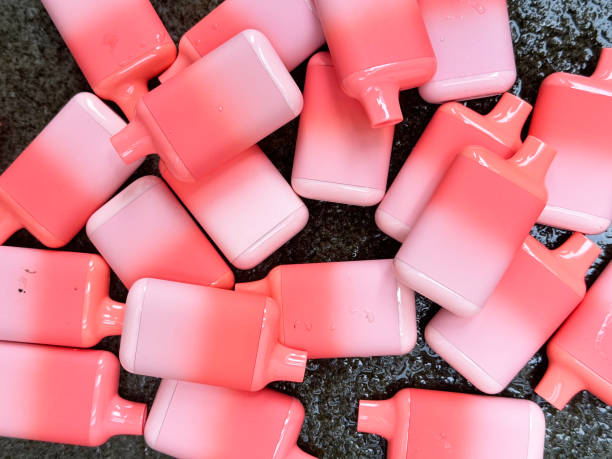
Leaking disposable vapes are one of the top three reasons for wholesale returns in the US vape market.
This guide breaks down every common cause of disposable vape leaking, gives wholesale buyers a warehouse-level diagnostic framework, and provides actionable prevention protocols to protect your inventory investment. Whether you operate a single smoke shop or distribute to hundreds of retail accounts, these strategies will lower your defect rate and strengthen your supplier relationships.
Why Disposable Vapes Leak: The Engineering Behind the Problem
A disposable vape is a sealed system — or at least it should be. Inside the device, e-liquid sits in a saturated cotton or synthetic wick wrapped around a mesh coil assembly. When the user inhales, a draw-activated sensor triggers the battery, heating the coil and vaporizing the liquid held in the wick. Under normal conditions, the seal between the pod chamber, the mouthpiece, and the USB-C charging port keeps everything contained.
But disposable vapes pass through a long supply chain before reaching the end user. They are manufactured, filled, sealed, boxed, palletized, shipped across the Pacific, customs-cleared, warehoused, picked, packed, and delivered to retail shelves. At each stage, variables emerge that can compromise the integrity of that seal.
1. Temperature Fluctuations During Shipping and Storage
E-liquid viscosity changes with temperature. In warm conditions — shipping containers under direct sunlight can exceed 140°F (60°C) — the liquid thins out and becomes more mobile. Increased internal pressure pushes the thinner liquid past seals that would otherwise hold under normal room temperature. This is the single most common cause of bulk leaking for wholesale buyers, and it is almost entirely preventable.
2. Air Pressure Changes During Freight Transit
Cargo aircraft and ocean freight containers experience significant pressure differentials. A device sealed at sea level in a Shenzhen factory may be exposed to the equivalent of 8,000 feet elevation during air freight. The resulting expansion of air trapped inside the device pushes e-liquid outward through any micro-gap in the seal.
3. Manufacturing Seal Defects
Not every unit on a production line is perfect. Ultrasonic welds on the pod chamber can have micro-fissures invisible to the naked eye. Gaskets may be slightly misaligned. The silicone plug covering the fill port may not seat fully. These are rare in quality-controlled factories, but at scale — a single wholesale order of 5,000 units — even a 0.5% defect rate means 25 leaking devices.

Seal integrity at the pod chamber, mouthpiece junction, and charging port determines whether a device survives the entire supply chain without leaking.
4. Physical Impact During Handling
Drops, compressive stacking loads, and rough handling during last-mile delivery can crack the outer shell or displace internal gaskets. A device that was perfectly sealed at the factory may begin leaking after being crushed under heavier boxes in a delivery truck.
5. User-Side Factors That Wholesale Buyers Should Know
End users sometimes cause their own leaks — chain vaping depletes the wick faster than it re-saturates, creating air channels that allow liquid to flow freely. Storing a device in a hot car dashboard or pocket pressing against the mouthpiece can also trigger seepage. While these are not the wholesale buyer’s fault, understanding them helps you staff-train and reduce “defective product” complaints that are actually user error.
Quantifying the Cost: What Leaking Really Costs Wholesale Buyers
For a US distributor, leaking is not just an annoyance — it is a direct hit to your P&L statement. Consider a realistic scenario:
| Cost Category | Per-Unit Impact | Per 1,000 Units |
|---|---|---|
| Wholesale cost of lost device | $3.50 – $8.00 | $3,500 – $8,000 |
| Return shipping (customer → warehouse) | $3.00 – $5.00 | $3,000 – $5,000 |
| Damaged neighboring inventory | $2.00 – $6.00 | $2,000 – $6,000 |
| Labor for inspection and repackaging | $0.50 – $1.50 | $500 – $1,500 |
| Total hidden cost per 1,000 units | — | $9,000 – $20,500 |
Even at a conservative 2% leak rate on a 5,000-unit order, you are looking at $900 to $2,050 in unexpected costs. At 5%, that figure doubles. For wholesalers operating on 15-25% margins, absorbing these costs without a prevention strategy is not sustainable.
Wholesale Diagnostic Framework: 5-Minute Inbound Inspection Protocol
When a pallet of disposable vapes arrives at your warehouse, do not just sign the delivery receipt and shelve the boxes. Implement this rapid inspection protocol to catch leaking inventory before it reaches retail accounts:
Step 1 — Visual Box Inspection (30 seconds per case): Look for staining, wet spots, or discoloration on the outer packaging. E-liquid leaves a visible residue, especially on white or light-colored boxes. Any case showing moisture marks should be set aside for individual unit inspection.
Step 2 — Shake Test (5 seconds per unit): Hold 3-4 devices at a time and give them a gentle shake. Listen for liquid movement that would indicate a compromised seal. A properly sealed device should feel solid with no internal sloshing.
Step 3 — Nose Test (3 seconds per unit): Leaking e-liquid produces a noticeable sweet or fruity smell even before visible liquid appears. If a device or its packaging smells strongly of e-liquid, it has likely begun seeping.
Step 4 — Weight Check (optional, bulk orders): If you have a precision scale, weigh a sample of 20 units from each case. A leaking unit will weigh measurably less than its sealed counterparts because it has lost e-liquid volume. A variance of more than 1 gram from the batch average warrants investigation.
Step 5 — Document and Segregate: Any unit that fails any of the above checks goes into a quarantine bin, not back into sellable inventory. Photograph the defective units with a timestamp for your supplier dispute documentation.

A disciplined inbound inspection protocol catches leaking units before they damage retail accounts and your reputation as a distributor.
Storage and Handling Best Practices to Prevent Wholesale Leaking
Prevention is always cheaper than remediation. The following warehouse protocols dramatically reduce the probability of temperature-related and handling-related leaking in your inventory:
Climate Control: The Non-Negotiable Standard
Your warehouse or stockroom should maintain a consistent temperature between 60°F and 75°F (15°C–24°C). Avoid storing disposable vape inventory near exterior walls, loading dock doors, or any area subject to direct sunlight or HVAC dead zones. If you operate in a southern US state with extreme summer heat — Texas, Florida, Arizona — invest in climate-controlled storage even if it adds to your overhead. The cost of climate control is a fraction of the cost of a wholesale leaking crisis.
Orientation and Stacking Discipline
Store disposable vape cartons upright with the mouthpiece end facing up. Never stack heavy product on top of vape cartons. Excessive compressive weight can crack shells or displace gaskets over time. Limit pallet stacking to 4 layers maximum for vape products, and use rigid shelf dividers rather than stacking directly on soft packaging.
First-In, First-Out (FIFO) Rotation
E-liquid does not expire overnight, but long shelf storage — especially in suboptimal conditions — increases the risk of seal degradation. Rotate stock strictly FIFO. Any inventory older than 6 months should be spot-checked for leak integrity before shipping to retail accounts.
Humidity Control
High humidity does not directly cause leaking, but it degrades cardboard packaging strength, which can lead to box collapse under stacking loads. Maintain relative humidity between 40% and 60% in storage areas. Use dehumidifiers in coastal or southern climates.
Supplier Selection: How the Right Brand Minimizes Your Leak Exposure
Not all disposable vapes are manufactured to the same sealing standard. When evaluating suppliers and product lines for your wholesale inventory, prioritize brands that demonstrate engineering rigor in leak prevention:
Seal Testing Protocols: Ask your supplier whether every unit undergoes negative-pressure seal testing before leaving the factory. Quality manufacturers test 100% of units; budget manufacturers test only random samples.
Material Quality: Medical-grade silicone gaskets and food-grade PCTG pod chambers resist thermal expansion and maintain seal integrity across a wider temperature range than cheaper alternatives.
Packaging Engineering: Look for products shipped with individual device sleeves, protective caps over the mouthpiece, and sealed foil inner packaging. These layers of protection are not marketing fluff — they serve a real function in preventing shipping-related leaks.
Leaf Bar disposable vapes, for example, employ a dual-seal system at the pod chamber junction with individual silicone mouthpiece caps on every unit. Their quality control includes negative-pressure testing on 100% of production output, which is one reason wholesale buyers report consistently low defect rates. For distributors evaluating new product lines, this kind of manufacturing discipline directly impacts your return rate and customer satisfaction scores.
Quality packaging with individual protective caps and sealed inner wrapping significantly reduces shipping-related leak incidents.
RMA and Returns Protocol: Handling Leaking Units Professionally
Even with the best prevention protocols, some leaking is inevitable. Having a professional returns process protects your relationships with both suppliers and retail customers:
For Retail Customer Returns: Accept leaking device returns without argument. A smoke shop owner who receives a leaking device and gets pushback from their distributor will switch suppliers fast. Process the credit or replacement within 48 hours. Log the batch number and lot code from the device packaging — this data is invaluable for supplier dispute resolution.
For Supplier Disputes: Accumulate photographic evidence, batch codes, and defect counts over 30-60 days before filing a formal quality claim. A well-documented case — “47 units out of 3,200 leaked from Lot #LB2026-06, with photographic evidence and customer return records” — carries far more weight than anecdotal complaints. Reputable suppliers will issue credits or replacement shipments against documented defect rates that exceed the agreed threshold (typically 1-3%).
Disposal Compliance: Leaking devices contain nicotine-containing e-liquid, which is classified as hazardous waste in many US jurisdictions. Do not throw leaking vapes in regular trash. Check your state’s regulations — some require disposal through licensed hazardous waste handlers. This is both an environmental and legal compliance issue.
Staff Training: Your Last Line of Defense
Your warehouse staff and retail counter employees are the final checkpoint before a leaking device reaches the end customer. Invest 15 minutes per quarter in a hands-on training session covering:
- Visual identification — What staining, moisture, and residue look like on different packaging types
- The shake and smell test — How to quickly screen a batch without opening every box
- Proper handling technique — Carry cartons upright, do not drop-stack, keep away from heat sources
- Customer complaint response — Accept, apologize, replace, log. No arguing, no gaslighting
A trained team catches problems early, handles returns gracefully, and generates the documentation you need to hold suppliers accountable. The ROI on 15 minutes of training per quarter is enormous compared to the cost of a single dissatisfied retail account.
Frequently Asked Questions
Is a leaking disposable vape dangerous?
E-liquid leaking from a disposable vape contains nicotine, which is toxic if absorbed through the skin or ingested. Handle leaking devices with gloves and wash hands after contact. While a single leak is not an emergency-level hazard, prolonged skin exposure to concentrated nicotine e-liquid can cause irritation and nausea. Store leaking devices in a sealed plastic bag until proper disposal.
Can a leaking disposable vape be fixed?
Generally, no. Disposable vapes are sealed units not designed for user repair. If the leak is minor seepage from the mouthpiece area, wiping the device clean and storing it upright for 10 minutes may temporarily stop the flow. However, the compromised seal will continue to leak intermittently. For wholesale buyers, the practical answer is to replace the unit and log it for supplier credit.
What temperature should I store disposable vapes at to prevent leaking?
The optimal storage temperature range is 60°F to 75°F (15°C to 24°C). Temperatures above 85°F (29°C) significantly increase the risk of e-liquid thinning and seepage. Avoid storing inventory in hot garages, uninsulated warehouses, delivery vehicles in summer, or any location exposed to direct sunlight. Temperature consistency matters more than the exact number — avoid rapid fluctuations.
How do I file a supplier claim for leaking wholesale inventory?
Document every leaking unit with photographs showing the device, batch/lot code, and visible damage. Maintain a spreadsheet tracking defect counts by lot code and date received. Submit a formal quality claim to your supplier once you have accumulated at least 20 documented incidents or have data spanning 30+ days. Include your purchase order number, lot codes, defect photos, and a calculated defect rate. Reputable brands will honor claims for defect rates exceeding the agreed threshold.
Does altitude or air pressure affect disposable vapes during shipping?
Yes. Air freight and high-altitude ground transport (e.g., Denver, CO at 5,280 feet) create pressure differentials that can push e-liquid past internal seals. Devices shipped by air from Asia are particularly susceptible because cargo holds are not fully pressurized. Well-sealed devices with quality gaskets handle pressure changes better. If you are located at high altitude, communicate this to your supplier so they can ensure adequate seal testing for your shipments.
What is an acceptable leaking defect rate for wholesale disposable vapes?
Industry standard for quality brands is 1-3% maximum defect rate including all issues (leaking, DOA, burnt taste). For leaking specifically, a rate below 1% is expected from brands with rigorous quality control. If your leaking rate exceeds 3%, you have either a supplier quality problem, a storage/handling problem, or both. Investigate immediately and document findings for your supplier.
Key Takeaways for Wholesale Buyers
Disposable vape leaking is a solvable problem, not an inevitable cost of doing business. The wholesale buyers with the lowest defect rates share three habits:
- They inspect inbound shipments before shelving — a 5-minute protocol catches 90% of leaking units before they reach retail
- They store inventory properly — climate control, upright orientation, and FIFO rotation prevent temperature and age-related seal failures
- They choose quality suppliers — brands with 100% seal testing, dual-seal engineering, and protective packaging dramatically reduce their exposure
If you are evaluating disposable vape brands for your wholesale program and want to discuss products engineered with leak prevention as a priority, contact the Leaf Bar wholesale team for product samples and quality documentation. You can also explore our wholesale pricing and MOQ details to see how our products fit your inventory strategy.
For related troubleshooting guides, see our articles on general disposable vape troubleshooting for wholesale buyers, fixing disposable vapes that won’t hit, and resolving burnt taste issues in disposable vapes.