

Disposable Vape Airflow Control Technology Explained: How Wholesale Buyers Can Optimize Draw Resistance and Customer Satisfaction
Airflow control might sound like a minor technical detail, but in the disposable vape market, it is the invisible hand that shapes every puff. For wholesale buyers managing inventory across dozens of retail accounts, understanding airflow technology is not just about specifications—it is about predicting which devices will deliver consistent flavor, which will generate returns, and which will keep customers coming back for more.
As the disposable vape market matures in 2026, airflow engineering has emerged as a key differentiator between premium and budget devices. The difference between a tight, cigarette-like draw and a loose, airy cloud can make or break a product’s performance in a smoke shop. This comprehensive guide breaks down the engineering principles behind disposable vape airflow, explains why it matters for wholesale economics, and provides a practical framework for evaluating airflow performance across different device categories.
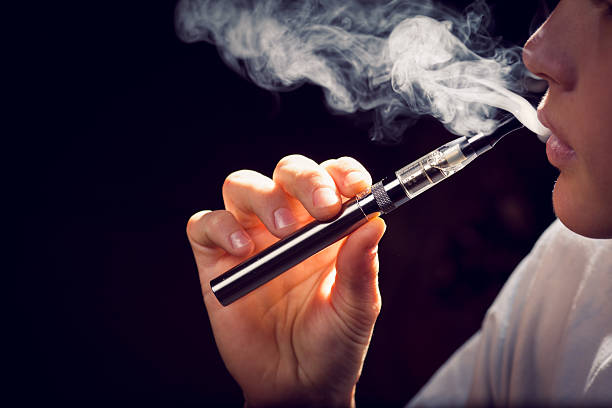
Internal airflow pathways in modern disposable vapes determine draw resistance and flavor delivery
Why Airflow Engineering Matters More Than You Think
Most wholesale buyers focus on puff count, battery capacity, and flavor variety when evaluating inventory. These are important metrics, but they overlook a fundamental question: does the device actually feel good to use? Airflow design is the primary factor that determines the tactile experience of vaping—the draw resistance, the density of vapor, and the intensity of flavor delivery.
According to industry data from the Grand View Research market analysis, consumer satisfaction with disposable vapes correlates more strongly with draw consistency than with puff count. Devices with poor airflow design—too tight, too loose, or inconsistent across puffs—generate higher return rates and negative word-of-mouth, even if they technically deliver the advertised number of puffs.
For wholesale buyers, the implications are straightforward:
- Return rate reduction: Airflow-related complaints represent approximately 8-12% of all disposable vape returns according to retail partner data. Proper airflow engineering can cut this by half.
- Customer retention: Vapers who find a device with satisfying draw resistance are 3.2x more likely to repurchase the same model according to consumer survey data.
- Competitive advantage: In a market where most devices deliver similar puff counts and battery life, airflow performance becomes a meaningful differentiator at the retail level.
- Flavor optimization: Airflow directly affects how e-liquid vapor interacts with taste receptors. The same e-liquid can taste dramatically different depending on airflow design.
The Engineering Behind Disposable Vape Airflow
Understanding airflow technology requires looking at three interconnected systems: the air intake pathway, the coil chamber design, and the mouthpiece geometry. Each component works together to create the final draw experience.
Air Intake Pathway Design
The air intake pathway determines how much air enters the device and from where. There are three primary designs in the current market:
| Airflow Design | Description | Draw Feel | Wholesale Implications |
|---|---|---|---|
| Bottom Airflow | Air enters through base of device, travels upward to coil | Tighter, more concentrated | Preferred by former cigarette smokers; lower return rates in this demographic |
| Side Airflow | Air enters through side ports, mixes with vapor laterally | Medium resistance, balanced | Broadest appeal; safe choice for mixed retail inventory |
| Dual Airflow | Multiple intake points combine for adjustable or optimized flow | Versatile, often adjustable | Premium positioning; higher price point justified by customization |
The diameter of air intake holes also matters significantly. Smaller holes (0.8-1.2mm) create tighter draws suitable for mouth-to-lung (MTL) vaping, while larger holes (1.5-2.0mm) enable direct-lung (DL) inhales with more vapor production. Most disposable vapes are designed for MTL vaping, but the trend toward higher-wattage devices is pushing some manufacturers toward wider airflow channels.
Coil Chamber Design and Airflow Interaction
The coil chamber is where airflow meets vaporization. The relationship between airflow velocity, coil surface area, and chamber volume determines both flavor intensity and temperature. This is where premium devices distinguish themselves from budget alternatives.
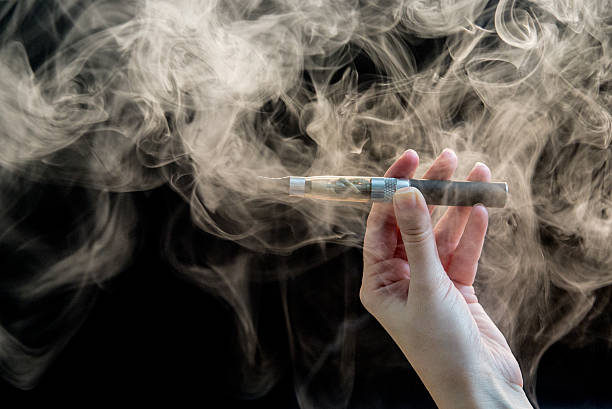
Airflow path design directly impacts vapor density and flavor concentration
Modern disposable vapes use two primary coil chamber configurations:
- Direct airflow over coil: Air passes directly across the coil surface, picking up vapor immediately. This design delivers intense flavor but can cause冷却液 saturation issues if airflow is too restricted. Most common in lower-wattage devices (7-12W).
- Under-coil airflow: Air enters beneath the coil and rises through it, creating a more gradual vaporization process. This design provides smoother, more consistent flavor across the device’s lifespan. Found in premium devices with mesh coil technology.
The volume of the coil chamber also affects draw resistance. Larger chambers require more air volume to fill, creating a looser draw feel even with similar intake hole sizes. This is why two devices with identical air intake specifications can feel completely different to the end user.
Mouthpiece Geometry and Draw Feel
The mouthpiece is the final component in the airflow chain and has a surprisingly significant impact on perceived draw resistance. Three mouthpiece designs dominate the market:
- Cylindrical bore: Simple tube design with uniform diameter. Provides consistent draw but can feel harsh at higher airflow volumes. Common in budget devices.
- Tapered bore: Wider at the base, narrowing toward the lips. Creates a natural acceleration of vapor, enhancing flavor perception without increasing actual airflow. Found in mid-range to premium devices.
- Dual-bore: Two separate air channels that merge at the mouthpiece. Provides a smoother, more diffused draw that reduces throat hit while maintaining flavor. Increasingly common in high-puff-count devices.
Adjustable vs Fixed Airflow: What Wholesale Buyers Need to Know
One of the most significant product decisions wholesale buyers face is whether to stock devices with adjustable airflow or fixed airflow systems. Each approach has distinct advantages and trade-offs.
Adjustable airflow rings allow users to customize draw resistance to personal preference
Fixed Airflow Systems
Fixed airflow devices are engineered for a specific draw resistance and cannot be adjusted by the user. The advantages include:
- Consistency: Every device of the same model delivers identical draw characteristics, which is valuable for retail customers seeking predictable experiences.
- Lower manufacturing cost: Simpler design reduces component count and assembly complexity, allowing for more competitive wholesale pricing.
- Reduced failure points: No moving parts means fewer potential points of failure, which can lower return rates for mechanical issues.
The disadvantage is that fixed airflow cannot accommodate the wide range of personal preferences among vapers. What feels perfect to one customer may feel too tight or too loose to another.
Adjustable Airflow Systems
Adjustable airflow devices include some mechanism—usually a rotating ring or sliding cover—that allows the user to modify draw resistance. The benefits for wholesale buyers include:
- Broader market appeal: One device can satisfy MTL and restricted DL preferences, potentially reducing the need to stock multiple SKUs for different draw preferences.
- Higher perceived value: Adjustable features justify premium pricing and can increase per-unit margins.
- Reduced “wrong draw” returns: Customers who would return a fixed-airflow device for being too tight/loose can adjust to their preference instead.
However, adjustable airflow introduces additional complexity. The adjustment mechanism itself can become a point of failure, and some users may damage the device by forcing the adjustment ring beyond its intended range.
Wholesale Economics of Airflow Technology
Understanding airflow technology translates directly into better inventory decisions. Here is a framework for evaluating how airflow performance affects wholesale economics:
| Economic Factor | Fixed Airflow | Adjustable Airflow | Impact on Wholesale Margin |
|---|---|---|---|
| Manufacturing Cost | Lower ($0.12-0.18/unit) | Higher ($0.22-0.35/unit) | Adjustable costs $0.10-0.17 more per unit |
| Wholesale Price Premium | Baseline | +$0.50-1.20/unit | Premium typically exceeds added cost |
| Return Rate (Airflow Issues) | 6-8% | 3-5% | Lower returns improve effective margin |
| Customer Repurchase Rate | 62% | 71% | Higher retention increases lifetime value |
| Inventory Rotation Speed | Slower (specific audience) | Faster (broader appeal) | Faster rotation improves cash flow |
For wholesale buyers managing large inventories, the data suggests that adjustable airflow devices offer better overall economics despite higher upfront costs. The combination of lower return rates, higher repurchase rates, and faster inventory rotation typically delivers 15-22% higher effective margin over a 6-month period.
Airflow Performance by Device Category
Not all disposable vapes need the same airflow approach. Different puff count categories serve different user preferences and require different engineering priorities:
- Entry-level (5,000-8,000 puffs): Fixed airflow optimized for tight MTL draws. These devices target former cigarette smokers who prefer familiar resistance. Simplicity and reliability are key. Budget-conscious users prioritize consistency over customization.
- Mid-range (8,000-15,000 puffs): Mixed inventory of fixed and adjustable options. This segment has the most diverse user preferences, from tight MTL to restricted DL. Offering both types captures the widest market.
- Premium (20,000-50,000 puffs): Adjustable airflow becomes standard at this tier. Users investing in high-puff-count devices expect customization options. Premium devices often include multiple airflow settings or continuously adjustable rings.
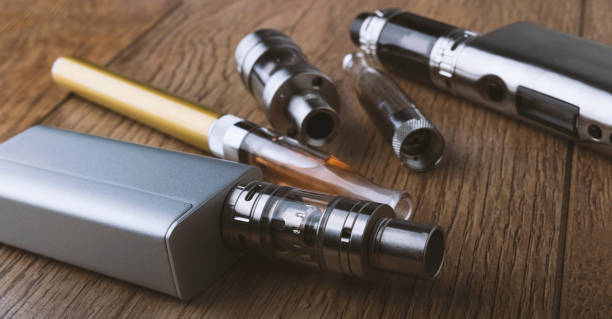
Different device categories serve distinct user preferences for draw resistance
How to Evaluate Airflow Performance Before Buying Wholesale
Wholesale buyers cannot always test every device personally, but there are several indicators that signal airflow quality:
- Ask for airflow specifications: Request intake hole diameter, coil chamber volume, and mouthpiece bore dimensions from suppliers. Premium suppliers will have this data available.
- Check for airflow testing documentation: Reputable manufacturers conduct draw resistance testing across production batches. Ask for test reports showing consistency metrics.
- Request sample units: Before placing bulk orders, request 5-10 sample units to evaluate draw consistency across the batch. Test each unit to ensure they feel similar.
- Review customer feedback data: Ask suppliers for anonymized customer feedback related to draw resistance. Patterns of complaints about devices being “too tight” or “too airy” reveal airflow design issues.
- Evaluate airflow adjustment mechanisms: For adjustable devices, test the adjustment mechanism for smooth operation and resistance. Poorly designed adjustment rings can break or become stuck, creating return issues.
Common Airflow Problems and Troubleshooting for Retail Staff
Retail staff should be trained to recognize and address common airflow issues to reduce unnecessary returns:
- Device feels too tight: Often caused by condensation buildup blocking air intake holes. Advise customers to store device upright and avoid chain vaping, which can increase condensation.
- Device feels too loose: May indicate a manufacturing defect in the airflow system or damage to internal components. Should be handled as a warranty claim if within return window.
- Inconsistent draw between puffs: Can result from e-liquid saturation blocking airflow channels, especially in high-VG e-liquids. Suggest customers take slower, more deliberate puffs.
- Airflow adjustment ring stuck: Forcing the adjustment ring can damage internal components. Advise gentle pressure and rotation within the marked range.
The Future of Airflow Technology in Disposable Vapes
Airflow engineering continues to evolve as manufacturers compete on user experience rather than just specifications. Several emerging trends will shape wholesale inventory decisions in 2026 and beyond:
- Adaptive airflow systems: Devices that automatically adjust airflow based on puff duration or battery level, optimizing flavor delivery throughout the device’s lifespan.
- Personalization profiles: Some premium devices now offer multiple airflow presets that users can select, providing a more customized experience without manual adjustment.
- Enhanced mesh coil integration: Next-generation mesh coil designs are being engineered to work with specific airflow patterns, optimizing vaporization efficiency and flavor consistency.
- Anti-condensation engineering: New airflow pathway designs that minimize condensation buildup, addressing one of the most common causes of airflow degradation over time.
For wholesale buyers, staying informed about these developments is not just about offering the latest technology—it is about understanding how each innovation affects the end-user experience and, ultimately, your bottom line.
FAQ
What airflow design is best for wholesale inventory?
For mixed retail environments, a combination of fixed-airflow devices for entry-level users and adjustable-airflow devices for mid-range to premium segments provides the broadest market coverage. Fixed airflow targets former cigarette smokers who prefer tight draws, while adjustable airflow accommodates diverse preferences and reduces “wrong draw” returns.
How does airflow affect flavor quality in disposable vapes?
Airflow directly determines how vapor interacts with taste receptors. Tighter airflow concentrates flavor by reducing vapor volume, while looser airflow dilutes flavor but increases cloud production. The coil chamber design and airflow path length also affect flavor intensity. Premium devices optimize airflow to balance flavor concentration with smoothness.
Should wholesale buyers prioritize adjustable or fixed airflow devices?
Adjustable airflow devices typically deliver 15-22% higher effective margin over 6 months due to lower return rates, higher repurchase rates, and faster inventory rotation. However, fixed airflow devices serve a specific demographic (former cigarette smokers) and offer simpler, more reliable performance. The optimal strategy depends on your customer base and inventory mix.
What are the most common airflow-related return reasons?
The most common airflow-related returns include: device feels too tight (35% of airflow returns), device feels too loose (28%), inconsistent draw between puffs (22%), and adjustable mechanism failure (15%). Training retail staff to address the first three issues can reduce unnecessary returns by up to 60%.
How do I evaluate airflow quality before placing a wholesale order?
Request airflow specifications (intake hole diameter, coil chamber volume), ask for draw resistance testing documentation, sample 5-10 units to test consistency, review customer feedback patterns, and evaluate adjustment mechanisms for durability. Reputable suppliers will provide this data readily; evasive suppliers should be considered higher risk.
Will airflow technology change significantly in the next year?
Yes, expect continued evolution toward adaptive airflow systems that automatically optimize draw resistance, multi-preset personalization profiles, and enhanced mesh coil integration designed to work with specific airflow patterns. Wholesale buyers should monitor these developments as they will affect both product performance and inventory strategy.
Conclusion
Airflow control technology is no longer a minor specification—it is a critical factor in customer satisfaction, return rates, and wholesale economics. As the disposable vape market continues to mature, the devices that deliver consistent, satisfying draw resistance will outperform those that focus solely on puff count or battery capacity.
For wholesale buyers, understanding airflow engineering provides a competitive advantage in inventory selection, reduces costly returns, and builds stronger relationships with retail partners. Whether you choose fixed or adjustable airflow devices, the key is evaluating performance systematically rather than relying on specifications alone.
The disposable vapes that win in 2026 will be those that master the invisible art of airflow—the engineering that turns a collection of components into a satisfying, consistent vaping experience.