

Walk into any well-performing smoke shop in the US right now and you will notice something interesting: the flavor wall is changing. Menthol and tobacco still hold their ground, but the fastest-moving SKUs in 2026 are not what they were even twelve months ago. Watermelon ice is giving way to more complex fruit-ice hybrids. Dessert flavors are staging a comeback in certain regions. And a whole new category — beverage-inspired blends — is quietly taking shelf space from traditional favorites.
For wholesale buyers and distributors, understanding these shifts is not optional. Stocking the wrong flavor mix means dead inventory, slower turns, and thinner margins. This guide breaks down the disposable vape flavor trends shaping the US wholesale market in 2026, with data-backed insights to help you build a smarter flavor assortment for your retail accounts.
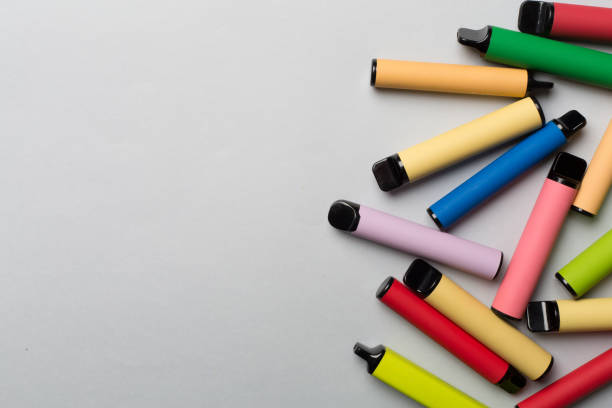
The 2026 US Disposable Vape Flavor Landscape: What the Data Shows
The disposable vape market in the US has matured significantly. According to Grand View Research, the North American disposable e-cigarette market continues its expansion, and with that growth comes increasing flavor segmentation. The days of a shop needing just five or six flavors are long gone — modern wholesale buyers are managing 30 to 60 active flavor SKUs across their product lines.
Three macro trends are driving this shift:
- Consumer sophistication: Vapers who started with simple fruit or menthol flavors in 2022-2023 now want more nuanced profiles — layered blends, cooling variations, and authentic taste reproduction.
- Device capability: Advanced mesh coil technology in devices like the Leaf Bar Titanium 50000 and Leaf Bar Titan 20000 delivers richer, more consistent flavor across thousands of puffs, making complex flavor profiles viable in disposable format.
- Regional identity: US flavor preferences are fragmenting by geography. What sells in Miami does not necessarily move in Minneapolis.
Trend 1: Fruit-Ice Hybrids Dominate — But With More Complexity
Fruit-ice combinations remain the undisputed category leader, accounting for the largest share of disposable vape sales across US retail channels. But the trend within the trend is clear: simple two-note blends (like basic watermelon ice) are losing ground to multi-layered profiles.
The winning formulas in 2026 combine three or more flavor notes:
- Primary fruit + secondary fruit + cooling agent (e.g., strawberry kiwi ice)
- Tropical fruit + citrus twist + menthol finish (e.g., mango pineapple frost)
- Berry blend + floral accent + ice (e.g., mixed berry lavender ice)
For wholesale buyers, this means stocking depth matters more than ever. A shop that only carries single-fruit ice flavors will lose customers to competitors offering the more complex blends that experienced vapers now expect.
Trend 2: Dessert and Bakery Flavors Are Making a Comeback
After a quiet period in 2024-2025, dessert and bakery-inspired flavors are experiencing a resurgence in 2026. The driving force is twofold: the ex-cigarette smoker demographic that prefers richer, warmer profiles, and the growing “comfort flavor” trend influenced by food and beverage culture.
Hot dessert flavor profiles for wholesale stocking include:
- Creamy custards and vanilla blends — steady performers with high repeat-purchase rates
- Pastry-inspired profiles — cinnamon roll, cookie butter, caramel waffle
- Coffee and mocha variants — particularly popular in urban markets and with the 25-40 age demographic
- Ice cream hybrids — strawberry cheesecake ice, vanilla bean frost
The key insight for distributors: dessert flavors have longer shelf velocity cycles than fruit flavors. A fruit-ice SKU might peak in two weeks and decline; a well-chosen dessert flavor can maintain steady sales for two to three months. This makes them valuable for inventory stability, even if they do not generate the same initial burst volume.
Trend 3: Beverage-Inspired Flavors — The Fastest Growing Category
Perhaps the most significant trend in 2026 is the rapid growth of beverage-inspired disposable vape flavors. This category barely registered in wholesale orders two years ago, but it now commands meaningful shelf space in forward-thinking smoke shops.
Popular beverage flavor profiles include:
- Soda-inspired: Cola ice, cherry limeade, grape soda
- Cocktail and mocktail: Pina colada, mojito, mango tango
- Energy drink: Blue razz ice (energy drink style), tropical punch
- Tea and lemonade: Arnold Palmer, peach iced tea, matcha latte
This trend correlates strongly with the under-30 consumer segment, which gravitates toward flavors that mirror their beverage preferences. Wholesale buyers servicing college towns, urban centers, and entertainment districts should prioritize this category heavily.
Trend 4: Tobacco and Menthol — Evolving, Not Disappearing
Despite the flavor revolution, tobacco and menthol flavors maintain a stable 15-20% share of the disposable vape market. What is changing is the profile itself. Basic “tobacco” flavor is giving way to more nuanced variants:
- Rich tobacco with caramel or vanilla undertones
- Smooth tobacco with nutty or earthy notes
- Menthol 2.0 — stronger cooling with fruit or mint layering
- Classic menthol for the cigarette-switching demographic
For wholesale buyers, the takeaway is straightforward: do not cut tobacco and menthol SKUs, but do rotate in the more sophisticated variants. Shops that stock only basic tobacco are leaving money on the table as their customers upgrade to premium tobacco blends.
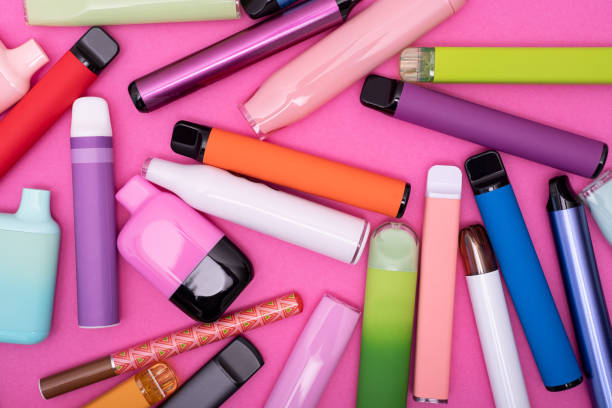
Regional Flavor Preferences Across the US: A Wholesale Mapping Guide
One of the costliest mistakes wholesale buyers make is applying a single national flavor mix to every account. The US is not a monolithic market. Here is how flavor demand breaks down by region:
| US Region | Top Flavor Category | Emerging Trend | Recommended Mix |
|---|---|---|---|
| Northeast (NY, NJ, MA, PA) | Menthol / Mint | Beverage / Tea blends | 30% menthol, 25% fruit-ice, 20% beverage, 15% tobacco, 10% dessert |
| Southeast (FL, GA, TX, NC) | Tropical fruit-ice | Multi-fruit complexity | 35% fruit-ice, 20% tropical, 15% menthol, 15% beverage, 15% dessert/tobacco |
| Midwest (OH, IL, MI, MN) | Classic fruit + tobacco | Dessert / bakery comeback | 30% fruit, 20% tobacco, 20% dessert, 15% menthol, 15% other |
| West Coast (CA, WA, OR) | Exotic / complex blends | Floral + botanical notes | 25% exotic fruit, 20% fruit-ice, 20% beverage, 15% dessert, 10% menthol, 10% tobacco |
Smart wholesale buyers use this regional data to customize their orders per account rather than shipping a one-size-fits-all assortment. Distributors who offer regional flavor kits — pre-curated sets based on geographic demand — add significant value for their retail accounts.
Flavor Velocity Data: What Actually Moves in 2026
Not all flavors sell at the same rate. Understanding flavor velocity — how quickly a SKU moves from shelf to consumer — is critical for wholesale inventory management. Here is the velocity breakdown based on current market patterns:
| Velocity Tier | Characteristics | Examples | Stocking Strategy |
|---|---|---|---|
| S-Tier (Fastest) | High demand, universal appeal, short sell-through cycle | Blue razz ice, watermelon ice, mango peach | Always in stock. Order in bulk. Expect 7-10 day turns. |
| A-Tier (Strong) | Consistent sellers with loyal followings | Strawberry kiwi ice, grape ice, cool mint | Core stock. Maintain 2-3 week supply. |
| B-Tier (Steady) | Moderate demand, good margin, longer cycles | Vanilla custard, coffee moja, pina colada | Rotation stock. Smaller quantities, monitor velocity monthly. |
| C-Tier (Niche) | Specialty appeal, high margin per unit, low volume | Matcha latte, lavender berry, honey tobacco | Discovery stock. 1-2 units per location, rotate quarterly. |
The 60-25-15 framework remains the best approach for most wholesale buyers: 60% of your flavor inventory in S-tier and A-tier core performers, 25% in B-tier rotation, and 15% in C-tier discovery. This balances volume sales with the variety that keeps customers coming back.

How Device Technology Influences Flavor Trends
An often-overlooked factor in flavor trends is the device itself. The quality of the coil, the airflow design, and the power delivery system all determine how faithfully a disposable vape reproduces complex flavor profiles. This is directly relevant to wholesale buyers because it determines which devices can carry which flavors effectively.
Devices with advanced dual mesh coil technology — like the full Leaf Bar product lineup — handle complex multi-note flavors significantly better than single-coil devices. The result is that as flavor profiles get more sophisticated, the device quality gap becomes a competitive differentiator. Shops stocking premium coil devices can sell more complex flavors at higher margins because the taste experience justifies the price point.
This creates a feedback loop: better devices enable better flavors, which attract more discerning customers, who demand even better devices. Wholesale buyers who understand this dynamic can position themselves ahead of the curve.
Five Common Wholesale Flavor Mistakes to Avoid in 2026
Even experienced wholesale buyers fall into predictable flavor stocking traps. Here are the five most costly mistakes and how to avoid them:
1. Over-ordering the “hot” flavor of the month. Trend-chasing leads to dead inventory when the hype fades. Instead, order trending flavors in moderate quantities and test velocity before committing to bulk orders.
2. Ignoring the long tail. The top 10 flavors generate the most revenue, but the next 20 flavors generate significant margin. Shops that only stock the top sellers lose customers who want variety.
3. Applying one flavor mix to all accounts. As the regional data above shows, a college-town shop in Austin needs a completely different flavor assortment than a suburban smoke shop in Connecticut. Customize your wholesale recommendations.
4. Neglecting the tobacco transition customer. The cigarette-to-vape transition market is still growing. These customers need tobacco and menthol options first, with a gradual introduction to fruit and other categories.
5. Not tracking velocity data. If you are not measuring how quickly each flavor SKU turns, you are guessing. Implement a simple velocity tracking system — even a spreadsheet — to make data-driven reordering decisions.
Seasonal Flavor Strategy: Planning Your 2026-2027 Wholesale Calendar
Smart wholesale buyers plan their flavor assortment seasonally, not just reactively. Here is a seasonal framework for the remainder of 2026 and into early 2027:
Summer (June-August): Peak demand for tropical fruits, citrus blends, and heavy ice flavors. Beverage-inspired SKUs surge. This is when you stock the widest variety and deepest quantities.
Fall (September-November): Transition period. Berry flavors and warm dessert profiles gain momentum. Apple cinnamon, pumpkin spice variants, and caramel blends see seasonal spikes. Begin reducing tropical SKUs.
Winter (December-February): Menthol and mint flavors peak. Dessert and bakery profiles hold strong. Tobacco variants see their highest demand as ex-smokers look for familiar comfort during the holidays.
Spring (March-May): Fruit flavors return to dominance. Floral and botanical profiles (lavender, elderflower) get their window. Begin ramping up tropical and citrus SKUs for summer.
Building Your 2026 Flavor Assortment: A Wholesale Action Plan
Based on all the trends outlined above, here is a practical action plan for wholesale buyers building their flavor assortment for the rest of 2026:
Core assortment (always in stock): 8-12 S-tier and A-tier flavors covering fruit-ice, menthol, and tobacco basics. These are your bread-and-butter SKUs.
Rotation assortment (monthly refresh): 6-8 B-tier flavors that rotate based on seasonality and regional demand data. Swap these out monthly to keep the shelf fresh.
Discovery assortment (quarterly refresh): 3-5 C-tier experimental flavors that test emerging trends. These are your early-warning system for the next big thing.
For wholesale buyers looking for a reliable device platform that delivers consistent flavor quality across this entire range, the Leaf Bar flavor wholesale program offers a comprehensive selection paired with competitive wholesale pricing and dedicated distributor support. You can contact the Leaf Bar wholesale team to discuss customized flavor assortment packages for your specific market.
Frequently Asked Questions
What are the fastest-growing disposable vape flavor categories in 2026?
Beverage-inspired flavors (cola, iced tea, cocktail blends) are the fastest-growing category in 2026, followed by complex multi-note fruit-ice hybrids. Dessert and bakery flavors are also staging a strong comeback, particularly in the Midwest and among the 25-40 age demographic.
How should wholesale buyers adjust their flavor inventory by US region?
Regional preferences vary significantly. The Northeast favors menthol and mint with growing beverage demand. The Southeast leads in tropical fruit-ice. The Midwest prefers classic fruit and tobacco with a rising dessert trend. The West Coast gravitates toward exotic, complex blends with floral and botanical notes. Customize your orders by region rather than applying a single national mix.
What is the 60-25-15 flavor stocking framework for wholesale?
The 60-25-15 framework allocates 60% of your flavor inventory to high-velocity core flavors (S-tier and A-tier), 25% to steady B-tier rotation flavors that you refresh monthly, and 15% to experimental C-tier discovery flavors that you rotate quarterly. This balances reliable revenue with the variety that drives customer retention.
Are tobacco and menthol vape flavors still worth stocking in 2026?
Absolutely. Tobacco and menthol flavors maintain a stable 15-20% market share and serve the critical cigarette-to-vape transition demographic. The trend is toward more sophisticated variants — tobacco with caramel or nutty undertones, and layered menthol with fruit or mint accents. Basic single-note tobacco is declining, but premium tobacco blends are growing.
How does disposable vape device technology affect flavor performance?
Advanced coil technology directly impacts how well a device reproduces complex flavor profiles. Dual mesh coil systems provide more consistent heating and richer taste delivery across thousands of puffs. This means devices with premium coil technology can carry complex multi-note flavors effectively, while basic single-coil devices are better suited to simple flavor profiles. Device quality increasingly determines which flavors a shop can sell successfully.
What seasonal flavor planning should wholesale buyers follow for 2026?
Summer peaks with tropical fruits, citrus, and beverage flavors. Fall transitions to berries and warm dessert profiles. Winter favors menthol, mint, and bakery flavors. Spring brings fruit back to dominance with floral and botanical profiles. Plan your wholesale orders 4-6 weeks ahead of each seasonal shift to ensure your retail accounts have the right inventory at the right time.