

If you’ve ever reached out to a disposable vape wholesale supplier only to be told you need to order 500 or 1,000 units minimum, you know the frustration. Minimum order quantities — universally known as MOQ — are the single biggest barrier that keeps small and mid-size US smoke shop owners, first-time importers, and regional distributors from accessing factory-direct pricing on disposable vape inventory.
Yet MOQ is also one of the most misunderstood concepts in the vape wholesale supply chain. The number a factory quotes you on day one is rarely the number you end up paying — not if you know how to negotiate, structure your order, and choose the right supplier tier. This guide breaks down everything you need to know about disposable vape wholesale MOQ in 2026: what drives the numbers, how to negotiate them lower, when higher MOQ actually saves you money, and which strategies real US distributors use to build inventory without overcommitting capital.

Understanding MOQ is the first step toward building a profitable disposable vape inventory.
What Exactly Is MOQ and Why Do Vape Suppliers Set It?
MOQ stands for Minimum Order Quantity — the smallest number of units a manufacturer or wholesaler will accept in a single order. In the disposable vape industry, MOQ requirements exist because of how production works at scale.
A single production run of a vape device involves setting up coil-wicking machinery, calibrating e-liquid fill lines, printing packaging, and running quality-control checks. All of that setup cost gets amortized across the units produced. If a factory runs 500 units instead of 50,000, the per-unit setup cost skyrockets. MOQ is how suppliers protect their margins and ensure each production run is economically viable.
For US wholesale buyers, the key insight is this: MOQ is not a fixed law of physics — it’s a business variable that shifts based on your relationship, order structure, and supplier type.
The Three Supplier Tiers and Their Typical MOQ Ranges
| Supplier Type | Typical MOQ | Pricing Level | Best For |
|---|---|---|---|
| Factory Direct | 500–5,000+ units | Lowest (ex-factory) | Large distributors, regional chains |
| Brand Authorized Wholesaler | 50–500 units | Mid-range | Mid-size shops, first-time wholesale buyers |
| Master Distributor / National Account | 25–100 units | Higher (but still below retail) | New shops, test orders, flavor sampling |
The table above shows why choosing the right supplier tier matters as much as the MOQ itself. A factory might quote you a lower per-unit price, but if they require 2,000 units and you sell 200 per month, you’re sitting on ten months of inventory. That capital gets trapped — and in a fast-moving category like disposable vapes where new models launch every quarter, trapped inventory becomes dead inventory.
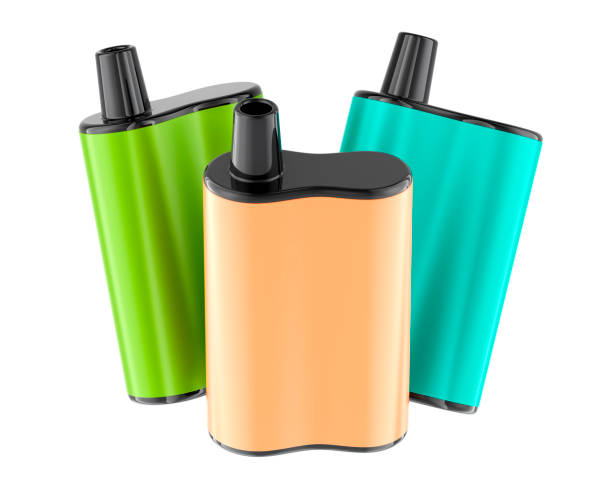
Choosing the right supplier tier is more important than chasing the lowest MOQ number.
How MOQ Affects Your Real Cost Per Unit
Many first-time wholesale buyers make the mistake of evaluating MOQ purely on unit count. But the real question is total landed cost — and that includes factors most buyers overlook.
The True Cost Breakdown
When you receive a MOQ quote from a disposable vape supplier, here’s what’s actually baked into that number:
- Unit price: The cost per device at the quoted MOQ level. Higher MOQ almost always unlocks a lower per-unit price.
- Shipping and logistics: Freight costs per unit drop significantly as order volume increases. A 500-unit order might cost $0.80/unit to ship; a 2,000-unit order drops to $0.35/unit.
- Customs and compliance: FDA PMTA documentation, customs clearance fees, and import duties are largely fixed costs per shipment — they get cheaper on a per-unit basis as volume grows.
- Payment terms: Many factories offer 30/70 or 50/50 payment splits at higher MOQ, freeing up your working capital during the production and shipping window.
- Opportunity cost: Capital locked in slow-moving inventory can’t be used to stock trending flavors or new device models.
The sweet spot for most US smoke shop owners ordering from brand-authorized wholesalers sits between 100 and 500 units per order — large enough to unlock meaningful per-unit discounts without tying up six months of cash flow.
MOQ vs. Per-Unit Price: Real Numbers
| Order Quantity | Est. Unit Cost | Shipping/Unit | Landed Cost/Unit | Suggested Retail | Margin |
|---|---|---|---|---|---|
| 50 units | $8.50 | $1.20 | $9.70 | $18.99 | ~49% |
| 200 units | $7.20 | $0.65 | $7.85 | $18.99 | ~59% |
| 500 units | $6.40 | $0.42 | $6.82 | $18.99 | ~64% |
| 1,000 units | $5.80 | $0.30 | $6.10 | $18.99 | ~68% |
Note: Pricing ranges are illustrative estimates for the 2026 US wholesale market. Actual figures vary by brand, model, puff count, and supplier relationship.
The jump from 50 to 200 units delivers the biggest marginal savings — your landed cost drops nearly 19%. The jump from 500 to 1,000 units saves only another 10%. For most smoke shop operators, the 200-unit tier represents the best balance of risk and return.

Smart MOQ planning turns wholesale purchasing into a competitive advantage rather than a cash-flow burden.
7 Proven Strategies to Negotiate Lower MOQ
Experienced wholesale buyers don’t simply accept the first MOQ number they’re quoted. Here are seven field-tested negotiation tactics that work in the disposable vape supply chain:
1. Consolidate SKUs Across Your Order
If a supplier requires 500 units minimum, they often mean 500 units total, not per SKU. Instead of ordering 10 flavors at 50 each, order 4 core flavors at 125 each. This reduces the supplier’s changeover time and makes your order more attractive — while keeping your total spend at the same level.
2. Commit to a Rolling Purchase Agreement
Offer to buy 200 units per month for six months instead of a one-time 1,200-unit order. Many suppliers value predictable demand over lump-sum volume, and they’ll lower per-order MOQ in exchange for the commitment. You spread your capital expenditure and always get fresh stock.
3. Ask for Stock-Keeping Unit (SKU) Sampling Orders
Most brand-authorized distributors offer a sampling tier — 25 to 50 units — specifically designed for new retailers testing a product line. This isn’t widely advertised. You have to ask. The sampling price per unit will be higher, but you can validate sell-through velocity before committing to a full MOQ order.
4. Join or Form a Buying Group
Multiple smoke shops in the same metro area can pool orders through a single distributor to hit factory-direct MOQ thresholds. The distributor ships pre-sorted orders to each shop. You get factory pricing; the distributor gets volume. Everyone wins. This is especially effective for Leaf Bar wholesale accounts where tiered pricing benefits volume consolidation.
5. Negotiate MOQ by Payment Method
Suppliers often lower MOQ for orders paid via wire transfer or cryptocurrency (where transaction fees are lower) versus credit card or NET-30 terms. If you’re comfortable with prepayment, leverage it as a bargaining chip for reduced minimum quantities.
6. Time Your Orders Around Production Calendars
Factories have off-peak periods — typically late January through February, and August through early September. During these windows, production lines sit underutilized, and suppliers are more willing to accept smaller runs to keep lines running. Strategic timing can cut your effective MOQ by 20–40%.
7. Use a Tiered Trial Order Structure
Propose a three-phase ordering relationship: first order at 30% of standard MOQ (trial), second order at 60% (validation), third order at 100% (full partnership). This signals serious long-term intent while protecting you from upfront overcommitment. Most established distributors — including Leaf Bar’s distribution team — are receptive to structured trial programs for committed wholesale buyers.
MOQ Strategies by Business Type
Different types of US vape businesses have different MOQ needs. Here’s how to match your ordering strategy to your actual business model:
Single-Location Smoke Shops (1–3 stores)
Your goal is variety without overstocking. Target brand-authorized wholesalers with MOQ of 50–100 units. Order 3–4 popular flavors across 2–3 device models. Avoid factory-direct ordering until your monthly velocity exceeds 300 units — at that point, the per-unit savings justify the inventory commitment.
Regional Distributors (5–20 retail accounts)
You’re the middle tier that benefits most from MOQ negotiation. Factory-direct pricing at 500–1,000 units gives you the margin to resell to shops at competitive wholesale prices while maintaining 30–45% gross margins. Use the buying group strategy in reverse — aggregate orders from your retail accounts to hit volume thresholds efficiently.
Online Wholesale Platforms and Marketplaces
E-commerce changes the MOQ equation because you can test demand digitally before committing to physical inventory. Start with a dropship or brand-authorized consignment arrangement, validate which SKUs move, then place a focused MOQ order on proven winners only.
Private Label / White Label Importers
Private label is the one scenario where high MOQ is genuinely non-negotiable. Custom device shells, branded packaging, unique e-liquid formulations, and regulatory compliance documentation require dedicated production runs. Expect 1,000–5,000 unit minimums. The trade-off: you own the brand, control pricing, and build long-term equity that generic resellers cannot.
Your MOQ strategy should match your business model — single shops, regional distributors, and importers each need different approaches.
Common MOQ Mistakes That Cost US Wholesale Buyers Money
After working with hundreds of smoke shop owners and regional distributors, we see the same costly MOQ mistakes repeated year after year:
Mistake #1: Ordering max MOQ for the per-unit discount. Yes, 1,000 units costs less per device than 200 units. But if you’re selling 80 units per month and new models launch every quarter, you’ll end up with 500+ units of outdated stock. The “savings” get eaten by markdowns and dead inventory write-offs.
Mistake #2: Ignoring sell-through velocity. Before placing any wholesale order, calculate your realistic monthly sales per SKU. If a device doesn’t sell at least 30 units per month across your locations, even a 100-unit MOQ ties up three months of capital. Know your numbers before you negotiate.
Mistake #3: Choosing suppliers by MOQ alone. The supplier with the lowest MOQ might have the worst quality control, longest shipping times, or weakest compliance documentation. A slightly higher MOQ from a reliable brand-authorized distributor with proven PMTA compliance, consistent stock availability, and responsive customer support is almost always the better long-term business decision. According to the FDA Center for Tobacco Products, PMTA compliance is non-negotiable for legal US distribution — and a supplier’s compliance status directly affects your business continuity.
Mistake #4: Never renegotiating MOQ. Your first order is your worst deal. Once you’ve proven reliable payment and consistent reorder volume, most suppliers will proactively lower MOQ or upgrade your pricing tier. If they don’t, ask. The worst they can say is no — and usually, they won’t.
Building a MOQ-Optimized Inventory Plan
The most profitable US vape distributors don’t think in terms of individual orders — they think in terms of inventory cycles. Here’s a framework that works across most market sizes:
The 60-30-10 Inventory Split
- 60% Core Stock: Your proven top sellers that reorder at full MOQ every 4–6 weeks. These are your cash cows — devices and flavors with consistent, predictable sell-through.
- 30% Growth Stock: New flavors and trending models ordered at sampling or reduced MOQ. Rotate quarterly based on sales data. Kill underperformers after one cycle.
- 10% Experimental: One or two new product lines or brands ordered at absolute minimum MOQ. This is your hedge against market shifts — it keeps you aware of what’s emerging without committing meaningful capital.
This split protects you from the two biggest risks in vape wholesale: being stuck with dead inventory when trends shift (overconcentration), and missing the next big flavor or device wave because you didn’t test anything new (underdiversification).
Regulatory Compliance and MOQ: What Every US Buyer Must Know
MOQ decisions don’t exist in a vacuum — they intersect directly with regulatory requirements that affect your bottom line. The US disposable vape market in 2026 operates under FDA PMTA enforcement, state-level flavor restrictions in some jurisdictions, and evolving tariff frameworks on imported nicotine products.
When evaluating MOQ from any supplier, verify these compliance requirements before placing your order:
- PMTA status: Is the product you’re ordering covered by an active PMTA application or marketing granted order? Selling non-PMTA compliant products exposes your business to FDA enforcement action.
- State-specific registration: Several US states require separate product registration before you can legally sell. Your supplier should provide all necessary documentation to support these filings.
- Nicotine concentration labeling: All products must accurately display nicotine concentration and include the Surgeon General’s warning. Verify packaging compliance with current FDA labeling requirements.
- Import documentation: For direct-from-factory orders, ensure your supplier provides full customs documentation including Harmonized System (HS) codes, certificates of origin, and material safety data sheets (MSDS).
The Vapor Technology Association (VTA) maintains updated compliance guides for US vape businesses — a valuable reference when evaluating whether a supplier’s MOQ pricing accounts for proper regulatory support.
Frequently Asked Questions About Disposable Vape Wholesale MOQ
What is the typical MOQ for disposable vape wholesale orders in the US?
Typical MOQ ranges from 25–100 units for master distributors, 50–500 units for brand-authorized wholesalers, and 500–5,000+ units for direct factory orders. Most US smoke shop owners find the best value at the brand-authorized wholesale tier with 100–200 unit minimum orders.
Can I negotiate MOQ with a disposable vape supplier?
Yes, MOQ is almost always negotiable — especially after your first order. Common negotiation tactics include consolidating SKUs, committing to rolling purchase agreements, joining buying groups, timing orders around factory off-peak periods, and proposing tiered trial order structures.
Is lower MOQ always better when ordering disposable vapes wholesale?
No. Lower MOQ reduces your upfront capital commitment but typically comes with higher per-unit costs and shipping expenses. The optimal MOQ depends on your monthly sell-through velocity, available capital, storage capacity, and how quickly new product models replace existing ones in your market.
How do I find disposable vape suppliers with low MOQ requirements?
Look for brand-authorized distributors rather than factories directly. Brands like Leaf Bar offer wholesale programs with structured MOQ tiers designed for different business sizes. Trade shows like TPE (Total Product Expo) and ASD Market Week also connect you with distributors offering flexible minimums for first-time buyers.
What MOQ should a new smoke shop start with?
A new single-location smoke shop should start with 50–100 units across 3–4 proven flavors and 1–2 device models. This gives you enough variety to gauge customer preferences without overcommitting capital. Once you’ve identified your top 3 sellers over 60–90 days, scale those SKUs to full MOQ and drop underperformers.
Does PMTA compliance affect MOQ requirements?
Indirectly, yes. PMTA-compliant products cost more to produce due to regulatory testing and documentation requirements, which influences the per-unit pricing that supports a given MOQ. However, buying non-compliant products to save on MOQ is never worth the regulatory risk — FDA enforcement can shut down your entire operation.
Final Thoughts: Smart MOQ Is Smart Business
MOQ isn’t an obstacle — it’s a lever. The wholesale buyers who build the most profitable disposable vape businesses in 2026 aren’t the ones who chase the lowest minimum orders. They’re the ones who match MOQ to their actual sell-through velocity, negotiate strategically based on relationship depth, and structure their inventory around a 60-30-10 core-growth-experimental split.
Whether you’re a first-time smoke shop owner placing your initial 50-unit test order or a seasoned regional distributor negotiating a 2,000-unit factory run, the principles are the same: know your numbers, know your supplier tier, and never let MOQ pressure push you into inventory you can’t sell in 90 days.
Ready to explore flexible wholesale options for the full Leaf Bar product lineup? Contact our wholesale team to discuss MOQ structures that match your business scale.